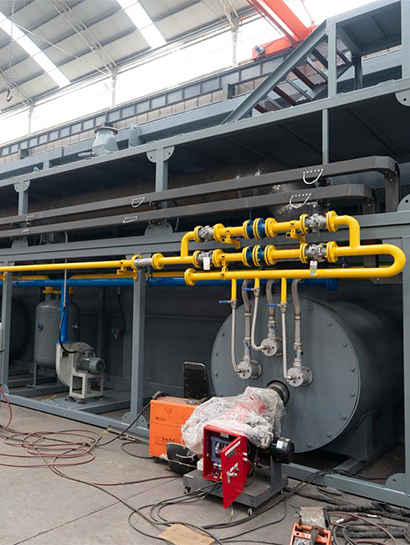
Stage 01Collection & Sorting
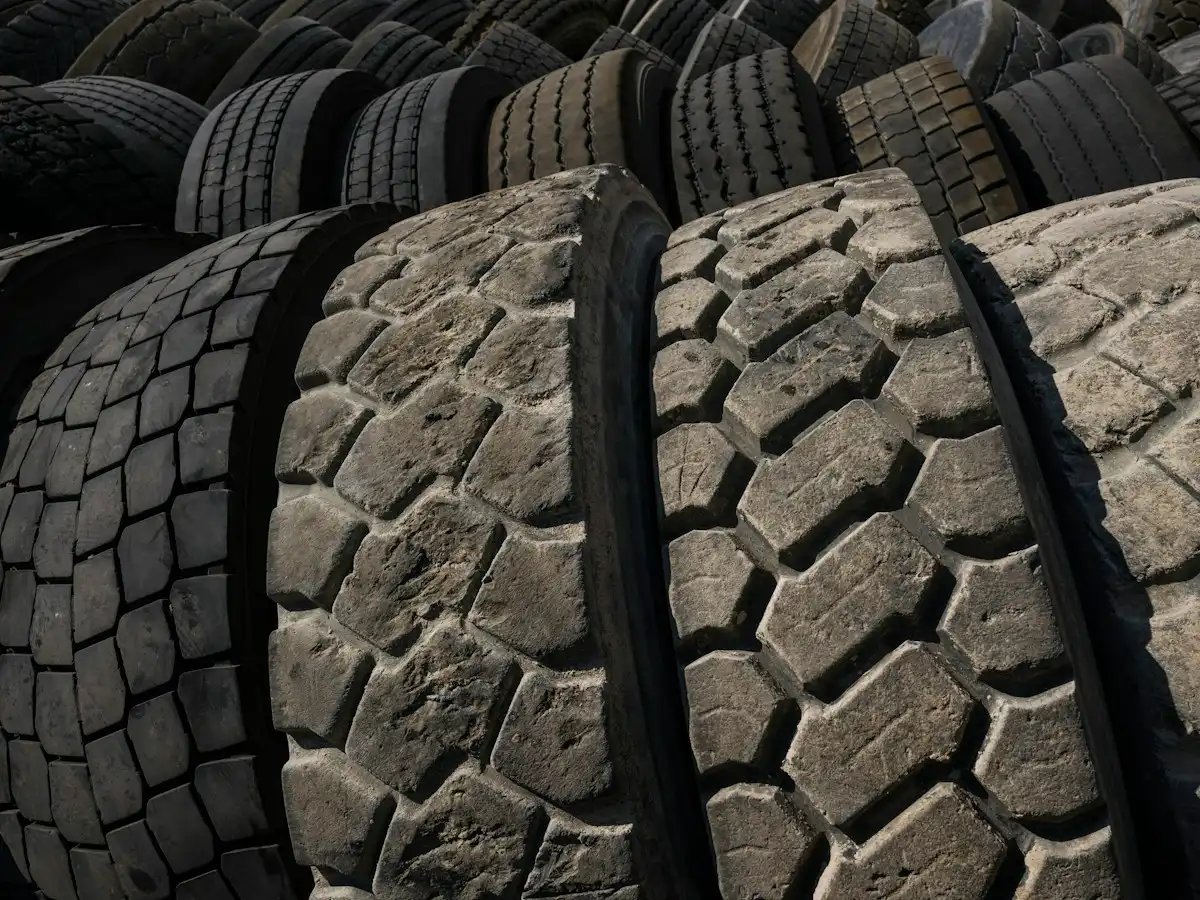
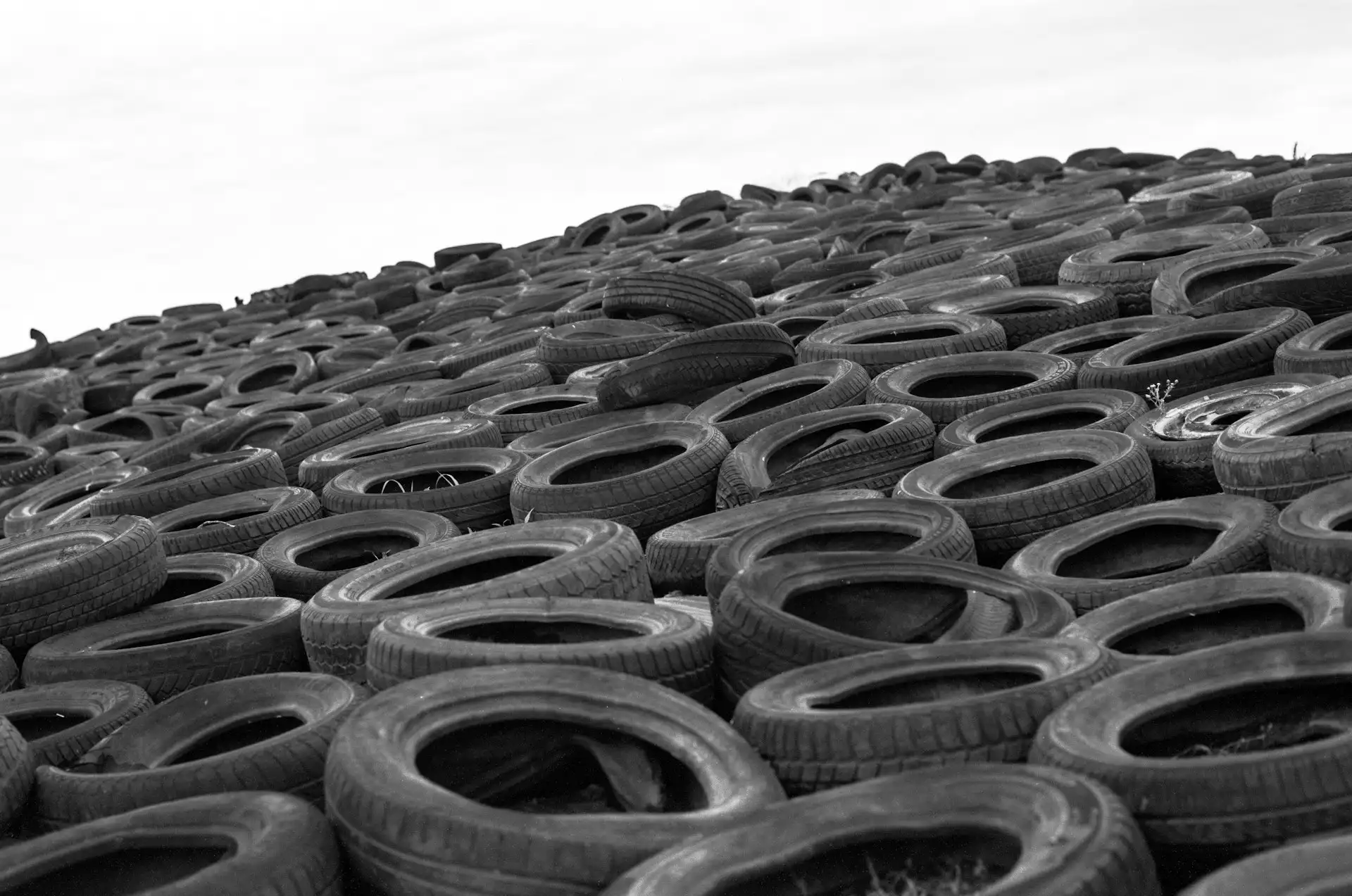
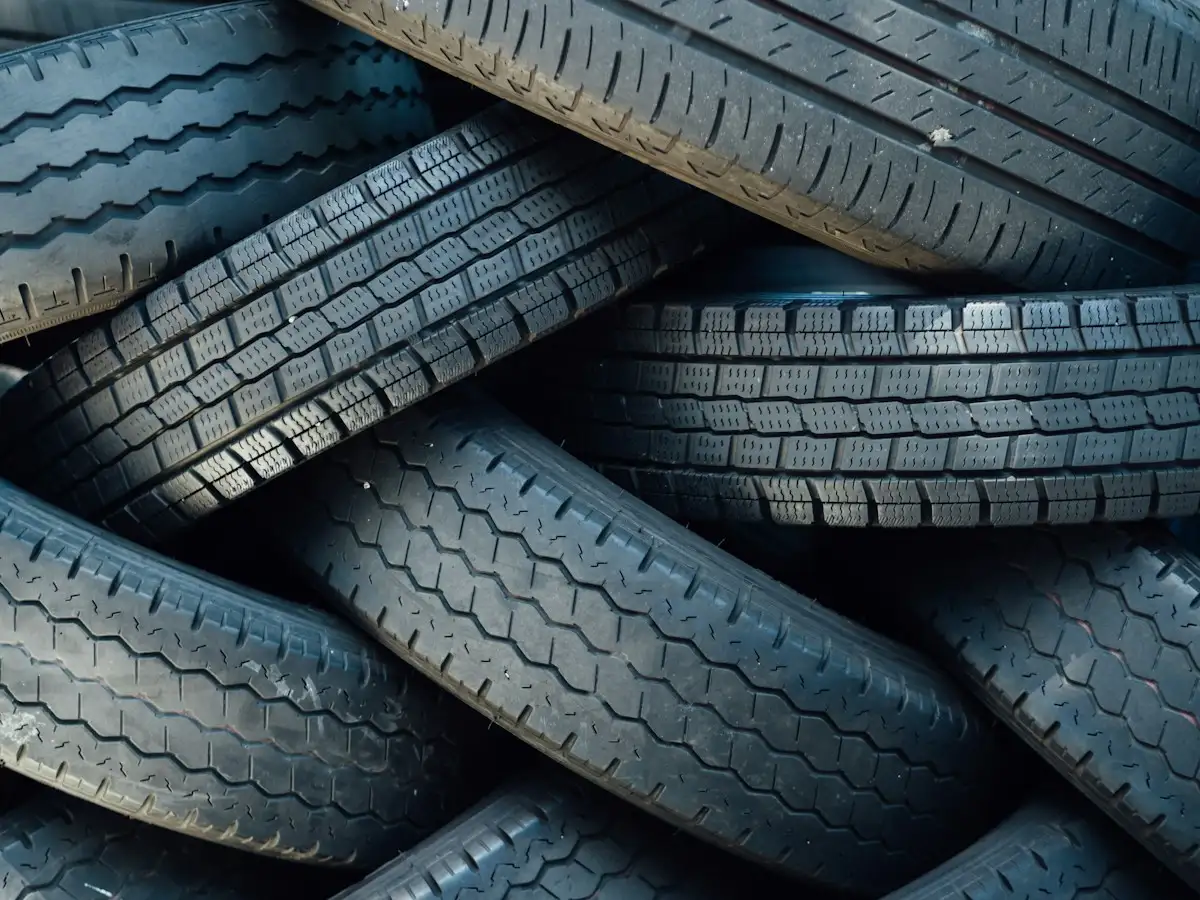
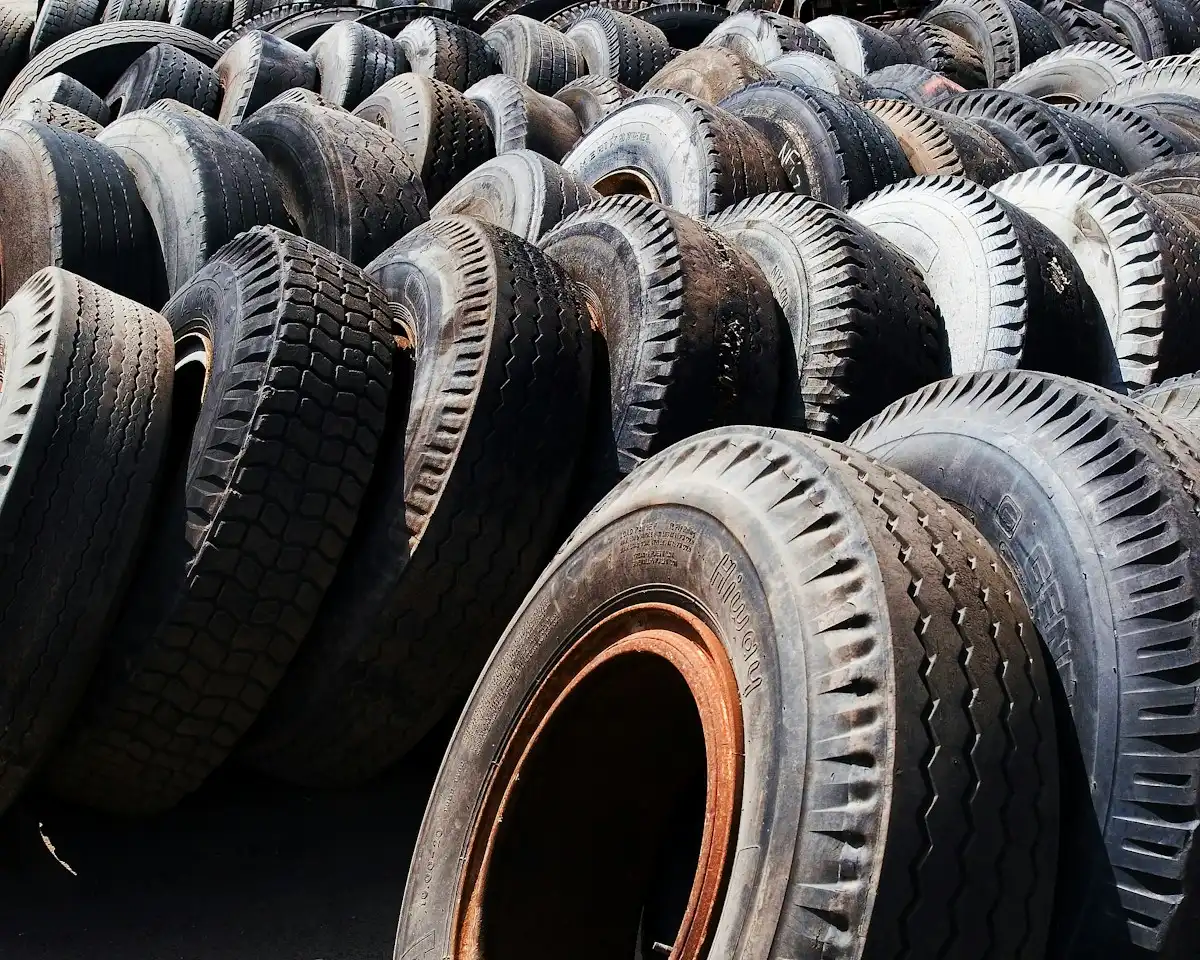
End-of-life tyres arrive from collection points, workshops and fleet operators. They are checked on arrival and sorted by size and type so each batch is processed consistently.

tyres into valuable resourcesTransforming end-of-life tyres into valuable materials through responsible recovery and resource-efficient industrial solutions.
Waste has value. We recover it. Every end-of-life tyre we take in becomes carbon, oil and steel that industry can use again.
A tyre is mostly rubber, carbon black and high-tensile steel. We collect and sort used tyres, reduce them in size and separate them into a carbon-rich black material, a recovered oil fraction and steel wire, so fewer tyres end up in stockpiles, landfill or open fires.
Material streams. Carbon, oil and steel recovered from every tyre.
Process stages. From collection to dispatch, each stage controlled.
Industries supported. Rubber, tyres, plastics, pipes, coatings and fuel users.
Enquiry response. Target reply time for business enquiries.
Each material stream is supplied on enquiry, with specifications and documents for your quality team.
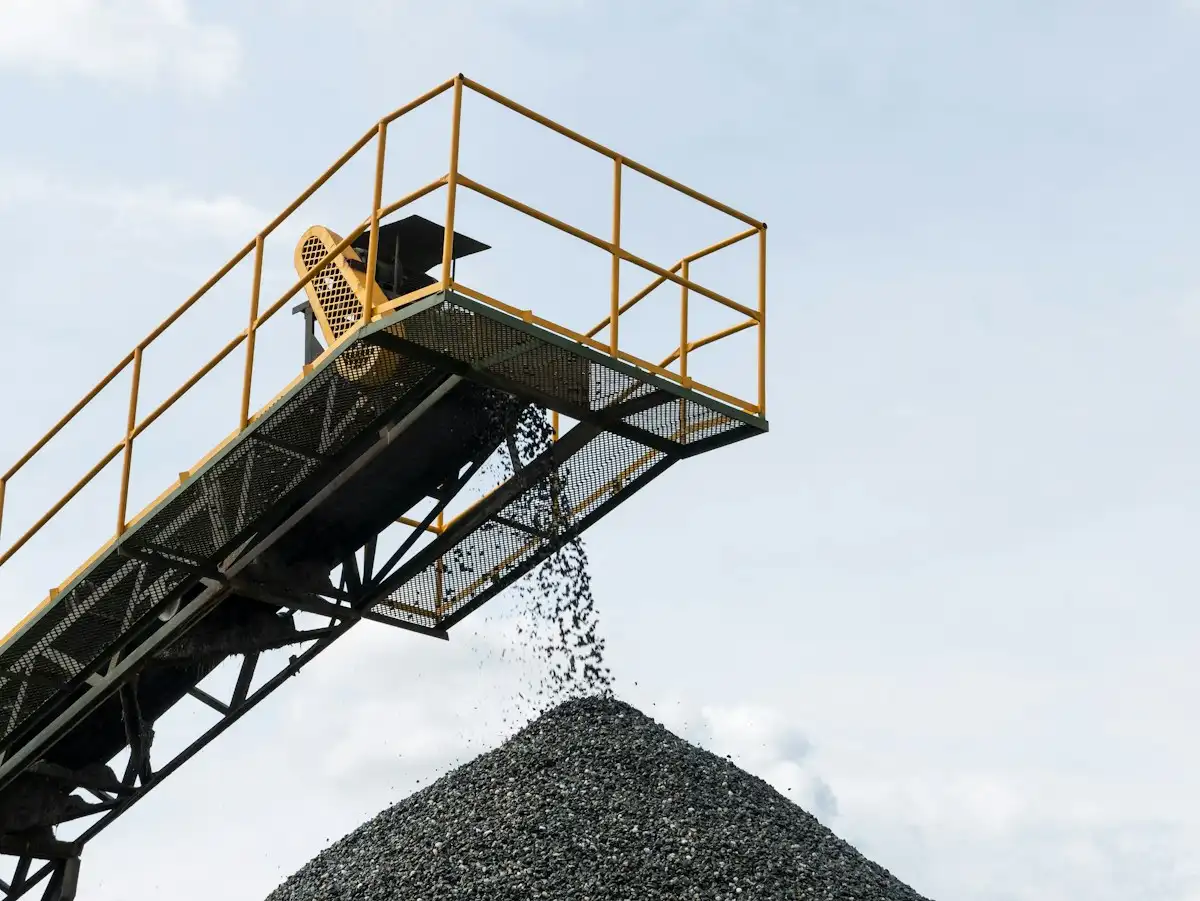
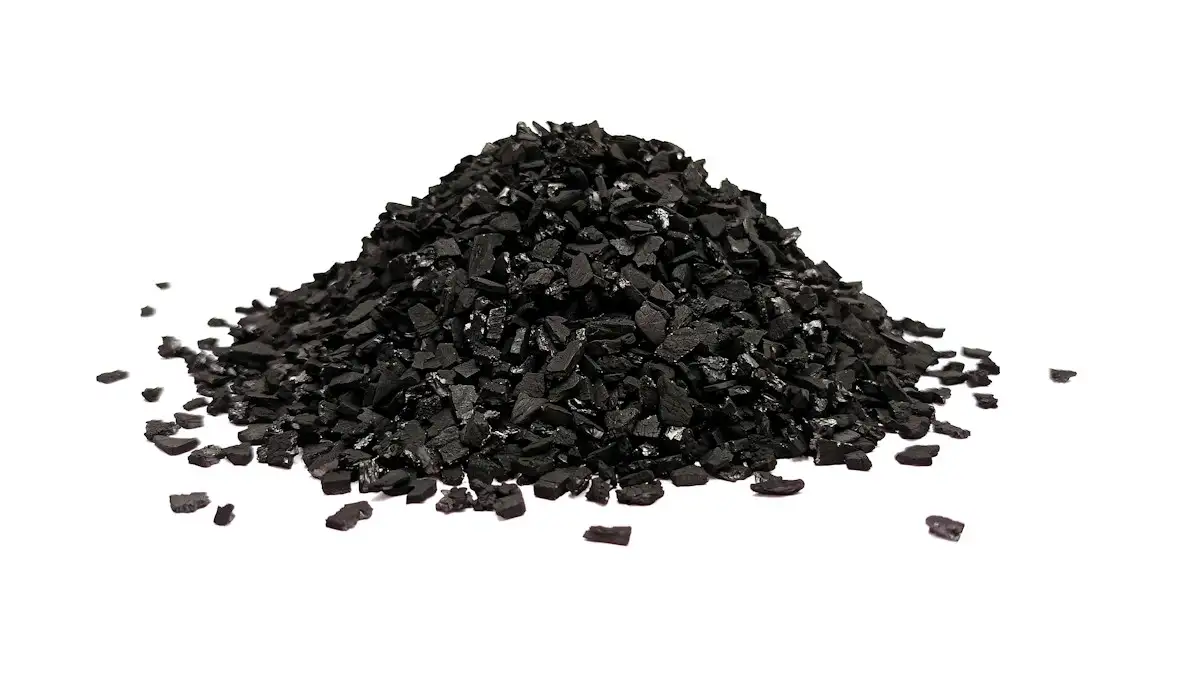
Recovered carbon black (rCB) is the solid carbon fraction recovered from tyre rubber and refined into a consistent black material. Buyers in rubber, plastics and coatings use it to partially or fully replace virgin carbon black, depending on the grade and the performance the application needs.
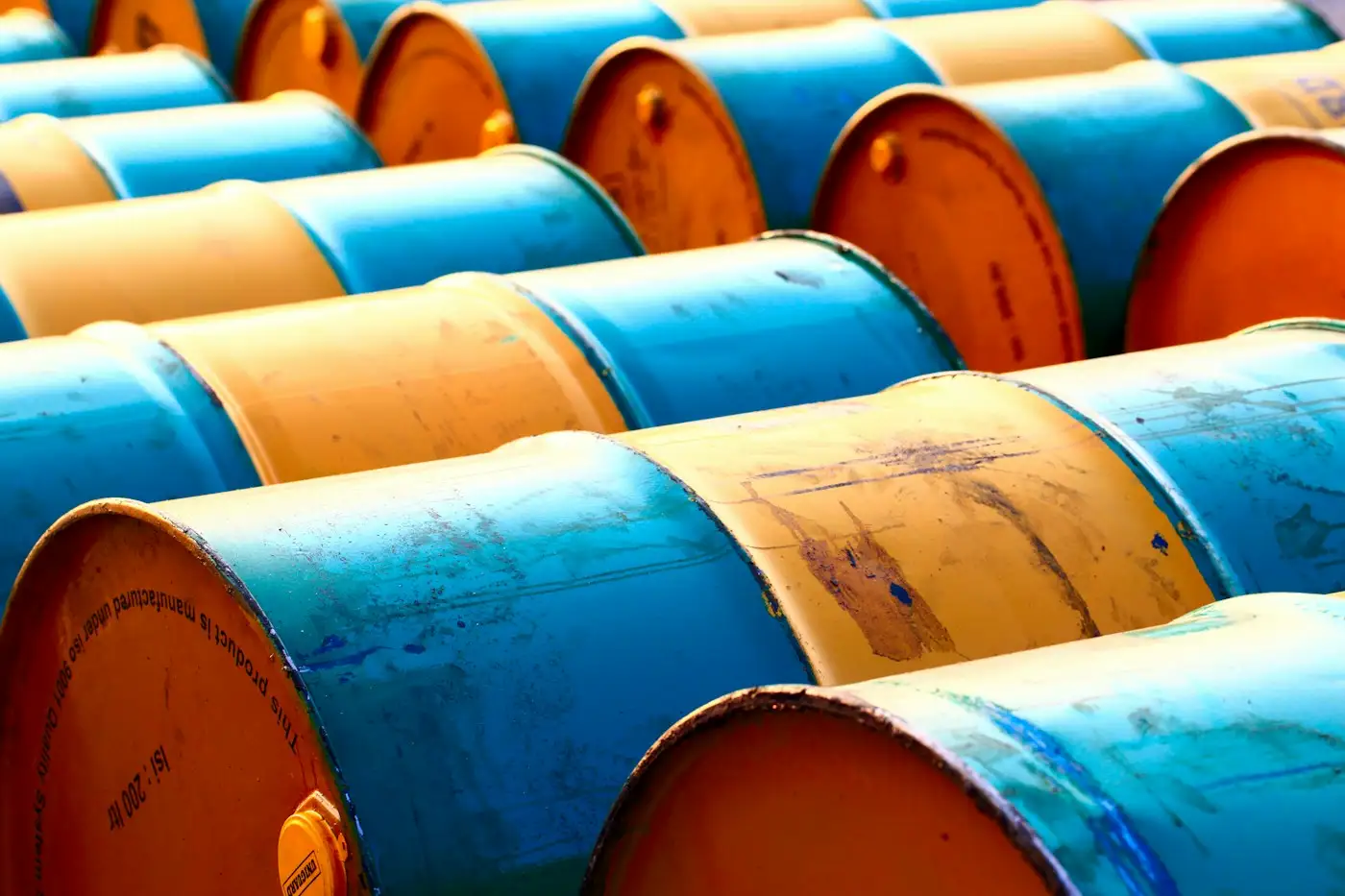
Tyre-derived oil is the liquid hydrocarbon fraction recovered during tyre processing. It is typically supplied to industrial users as a fuel or as a feedstock for further refining. Suitability for a given burner, furnace or refining route should be checked against the material's test report.

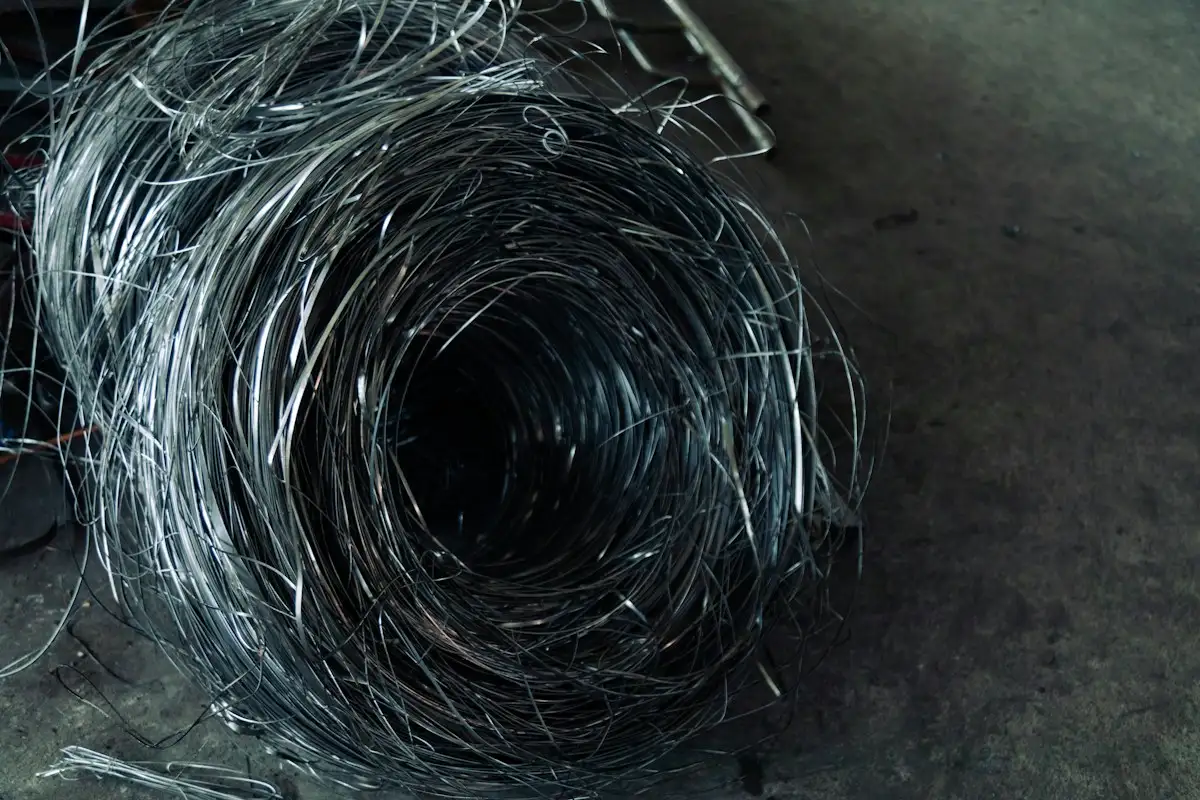
Tyres contain high-tensile steel in the bead and the belt. During processing this wire is separated from the rubber and collected for supply to scrap processors and steel recyclers, so the metal goes back into steelmaking.

Five controlled stages take every tyre from the collection yard to a packed, usable material.
Stage 01End-of-life tyres arrive from collection points, workshops and fleet operators. They are checked on arrival and sorted by size and type so each batch is processed consistently.
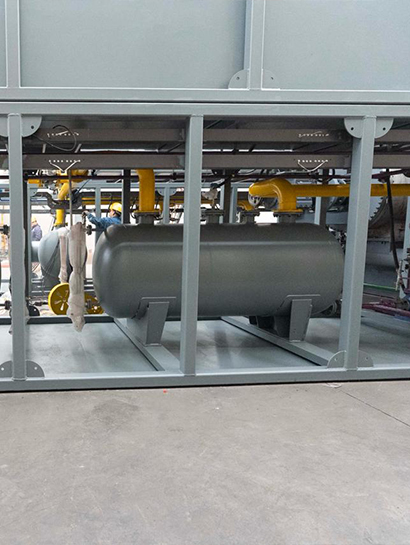
Stage 02Tyres are inspected and prepared for processing. Unsuitable material is set aside, and larger tyres may be cut down so they feed smoothly into the line.
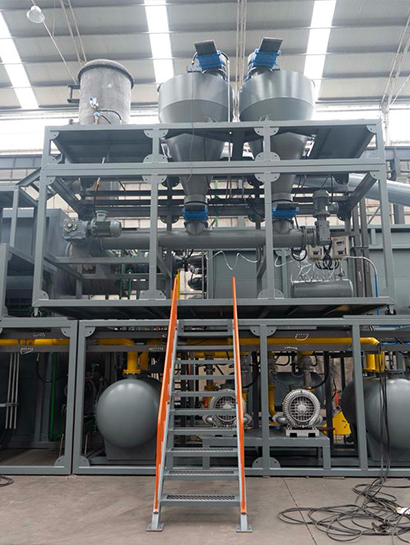
Stage 03Shredders reduce whole tyres into smaller pieces. Smaller, uniform pieces make the next stage more efficient and help separate the steel from the rubber.
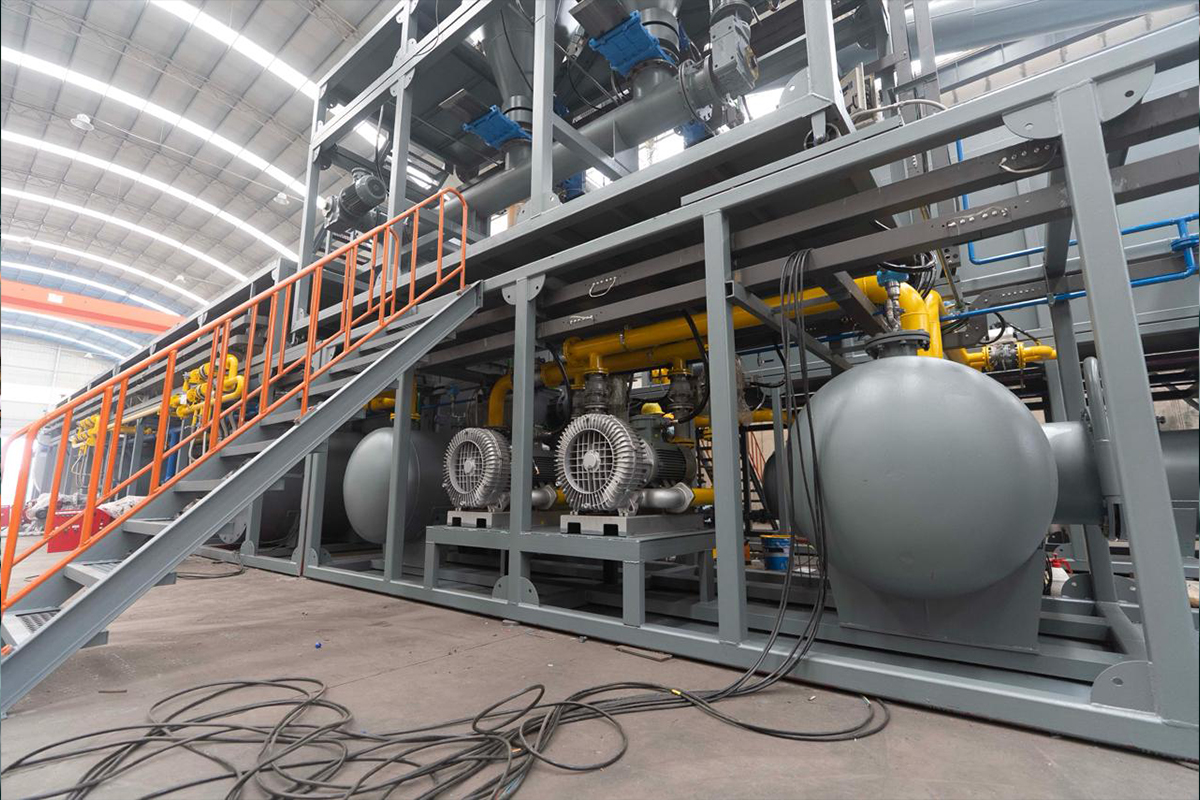
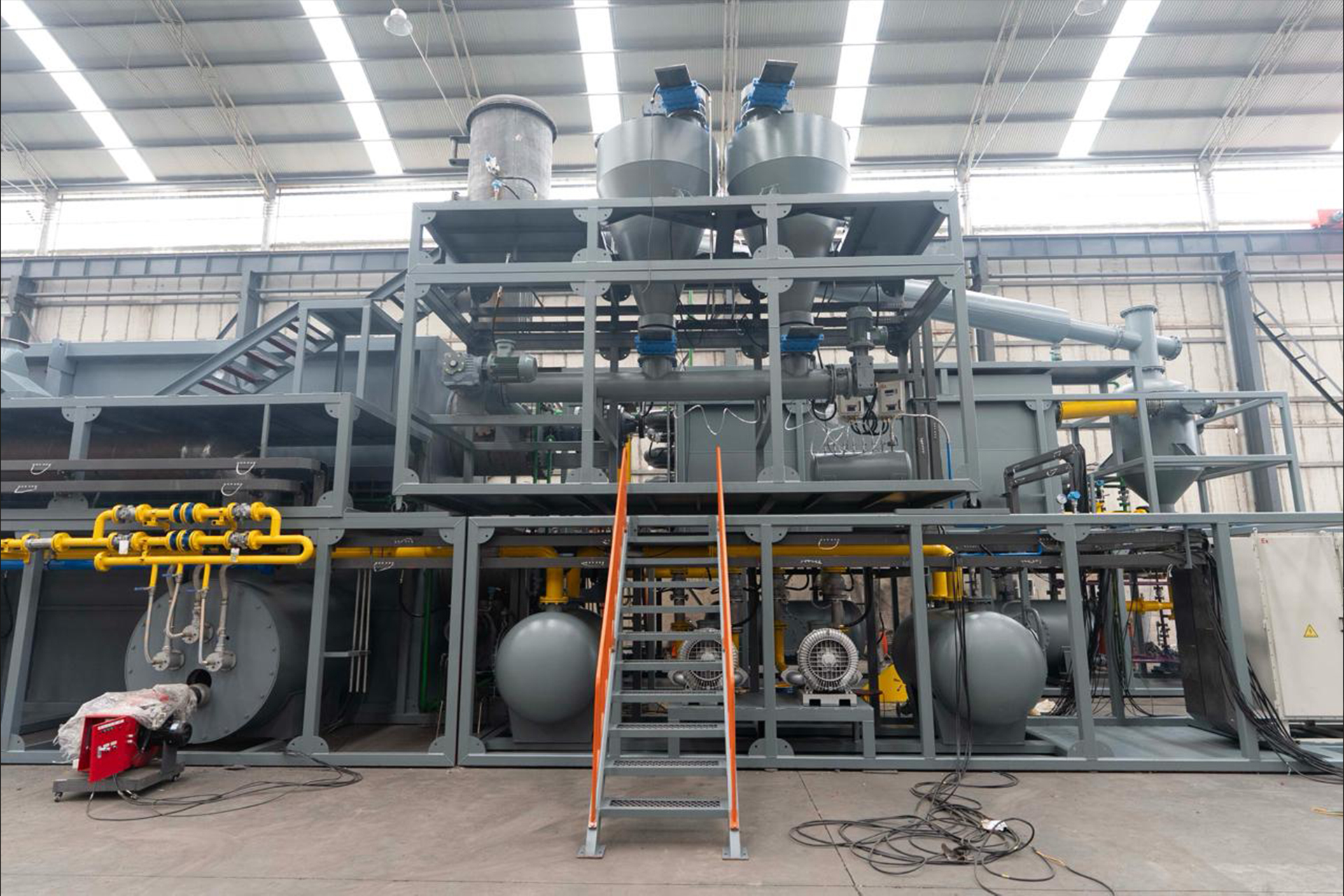
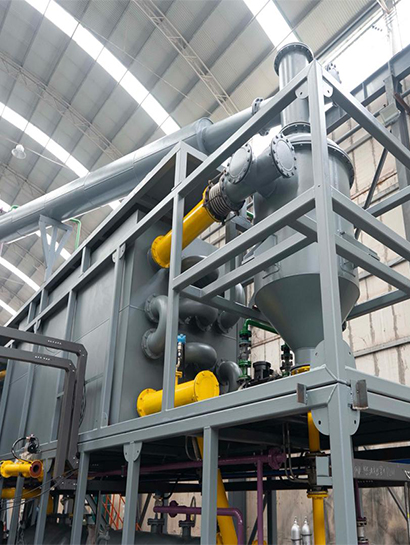
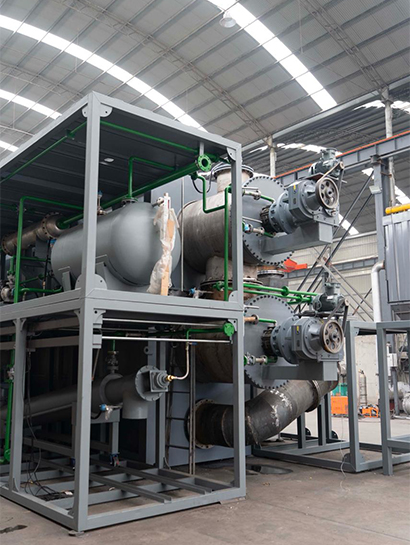
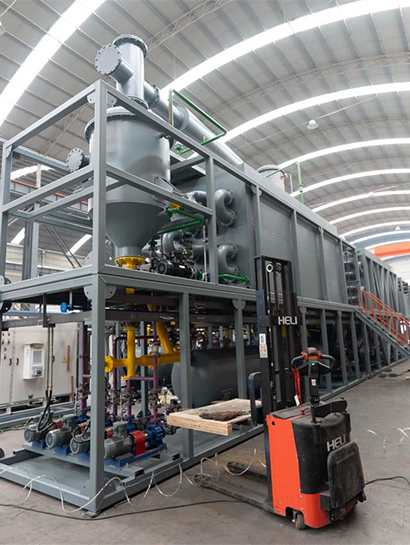
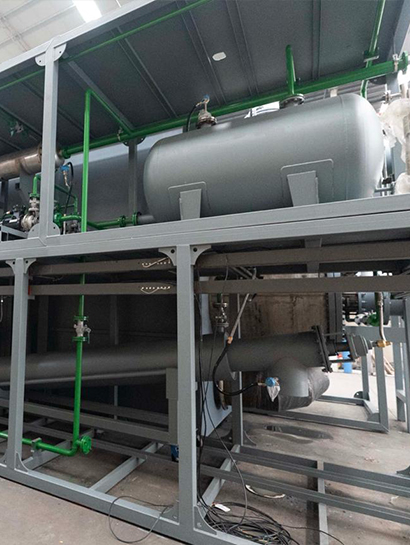
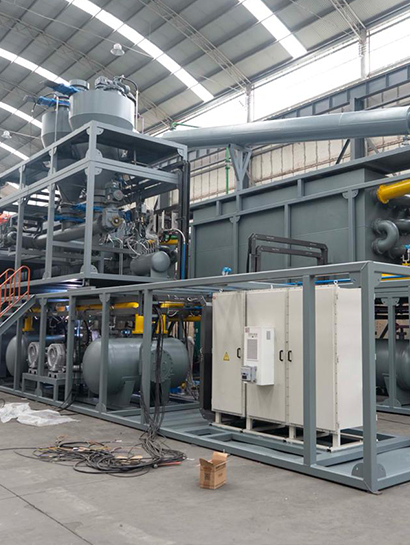
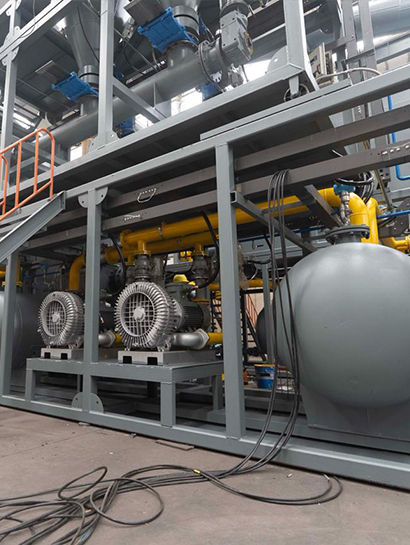
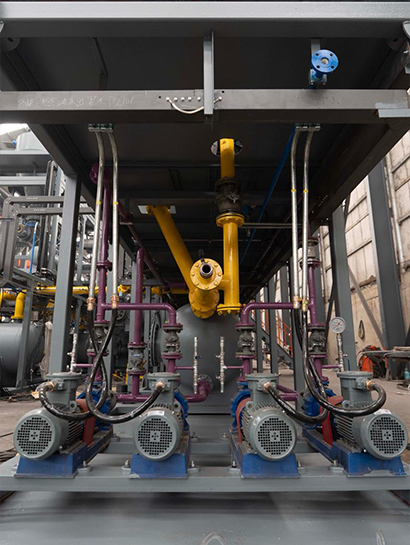
Stage 04The rubber fraction is processed in a controlled, enclosed system that splits it into a solid carbon-rich material and a liquid oil fraction, while steel is recovered separately.
Stage 05Recovered materials are refined to a consistent form, checked, packed and stored for dispatch to industrial buyers in bags, drums, bulk or bales.
Rubber, tyres, plastics, pipes, coatings and heavy industry. Hover a sector to preview it.
Moulded and extruded rubber goods use carbon black for reinforcement, abrasion resistance and colour.
(02)Tyre makers and retreaders look at recovered carbon black to bring circular content into non-critical compounds.
(03)Black masterbatch and moulded plastics use carbon black for colour, UV protection and opacity.
(04)Black compounds for polymer pipes, conduits and rubber hoses.
(05)Pigment-grade blacks for colour and jetness in coatings and printing inks.
(06)The liquid and metal streams recovered from tyres go to industrial fuel users, refiners and steel recyclers.

Recovering what is inside a tyre keeps material in use and reduces demand for new raw materials.
Our ApproachFootwear, conveyor belts, automotive parts, coatings and tyres. Drag to explore.
Pick an option and we'll take you there.
Quick links, not a live chat. Our team replies directly.